
Colorado built a universal preschool program that offers $6,500 per student in public funding. The state invited private providers to participate. Then it told 34 Catholic schools they couldn't join unless they agreed to affirm the state's position on sexual orientation and gender identity.
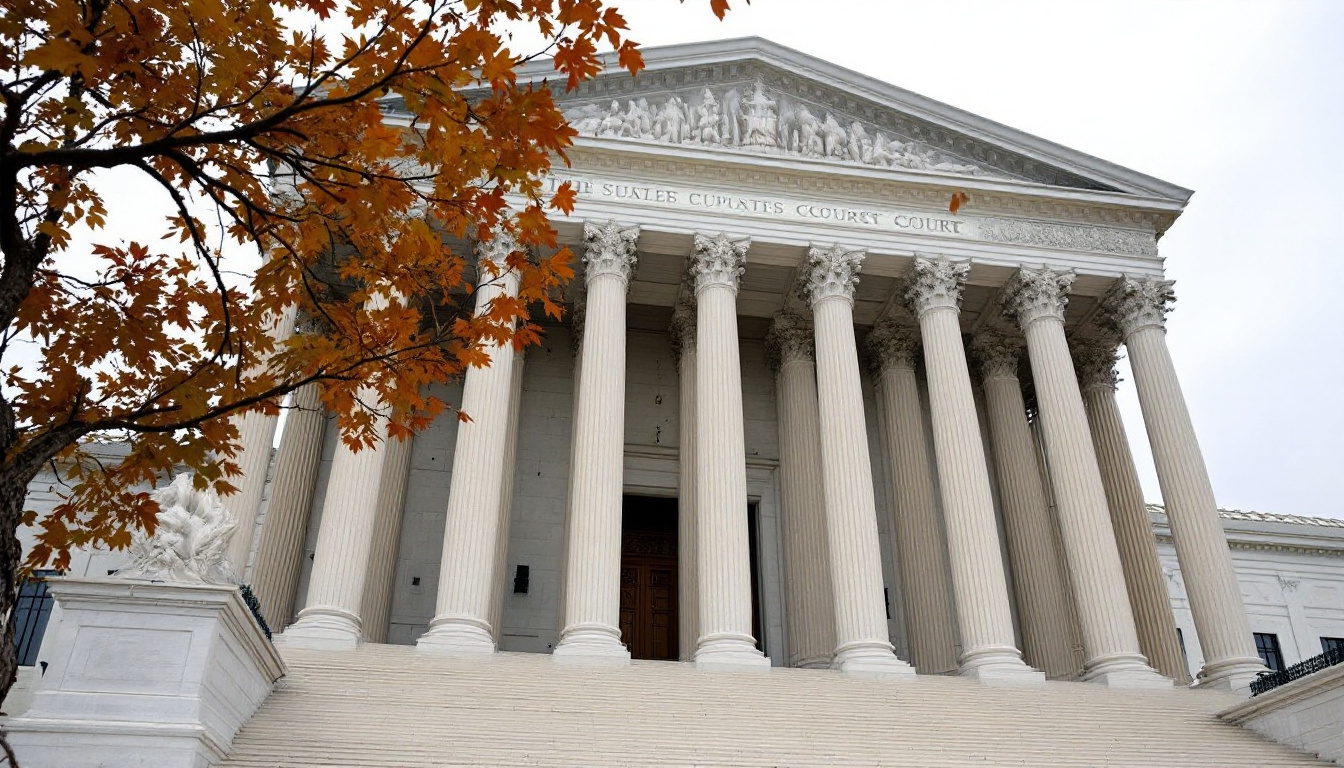
The Supreme Court heard oral arguments in St. Mary Catholic Parish v. Roy on Tuesday, and the justices didn't seem impressed with Colorado's logic.
Justice Brett Kavanaugh put it plainly during arguments: "You can have a vegetarian school, but you can't have a Catholic school; you can't have a Jewish school." That's not a hypothetical he invented. That's the actual structure of Colorado's program — secular preferences are accommodated, religious ones are excluded.
The case, docket number 25-581, was brought by two Catholic parishes, the Archdiocese of Denver, and Dan and Lisa Sheley, parents with preschool-age children. They're represented by the Becket Fund for Religious Liberty, whose senior counsel Nicholas Reaves argued before the Court that the Catholic schools "exist to pass on the faith to the next generation" and "ask all families who enroll to be open to and supportive of the church's teachings."
Colorado's universal preschool program — UPK — requires participating providers to sign a nondiscrimination agreement covering sexual orientation and gender identity. The Catholic schools requested a religious exemption. Colorado said no. The Tenth Circuit upheld the state. Now SCOTUS is involved.
Reaves made a point the state couldn't answer cleanly: Colorado "has flexibly interpreted the mandate to accommodate important secular interests, but it's called the same law a hard limit when petitioners sought a religious accommodation." The state bends the rules when it wants to. It just doesn't want to for churches.
Kavanaugh pressed further, noting one preference the state already allows: "Schools are allowed to have preference for parents who will be more involved in the school." So Colorado permits providers to select families based on parental engagement — a subjective, values-based criterion — but draws the line at religious identity. The standard isn't neutrality. It's selective enforcement.
The Trump administration weighed in on the side of the Catholic schools. Sarah Harris, Principal Deputy Solicitor General, argued before the Court in support of the petitioners. The federal government's position: excluding religious institutions from a program open to everyone else violates the Free Exercise Clause.
Reaves dropped a number that undercuts the state's entire justification for exclusion: "Letting families use universal preschool funding at Catholic schools won't take away a single seat from the over 2,000 preschools already participating." Two thousand providers are in the program. Colorado excluded 34 Catholic schools not because there wasn't room, but because they're Catholic.
This is the same state that went after cake baker Jack Phillips in Masterpiece Cakeshop and lost at the Supreme Court. The same state that tried to force web designer Lorie Smith to create content for same-sex weddings and lost again in 303 Creative. Colorado's track record of targeting religious objectors and getting slapped down by the nation's highest court is becoming a recurring calendar event.