
Tim Dillon sat across from Joe Rogan this week and asked a question that no corporate boardroom in America wants to hear: "Why is Chase Bank gay? Why's Chobani Yogurt trans?"
The comedian is openly gay. Which makes the question inconvenient for the people who'd rather not answer it.
Dillon's appearance on Rogan's podcast, reported by LifeZette, zeroed in on a specific trigger — the San Diego Padres wearing rainbow-themed uniforms for Pride Month. "Why do the Padres have to wear gay uniforms for Pride Month?" Dillon asked. "That doesn't make any sense."
Then the line that landed hardest: "As a gay person, I've never said that I need the Padres to be gay too."
Rogan, to his credit, mostly let Dillon cook. But the podcast host did offer a broader observation about the cultural climate driving all of this — that "people have been taught that thinking for themselves might make them racist, sexist, or homophobic." That framing matters because it explains why a yogurt company feels compelled to take a public position on gender identity. Not because customers demanded it. Because the HR department is terrified of a hashtag.
Dillon went further than comedy. He pointed to actual data. Support for gay marriage has dropped 11 percentage points, and Dillon pinned the blame squarely on the corporate rainbow carpet-bombing that takes over every June. "It actually makes more people angry," he said. "That's why gay marriage has lost 11 points in support."
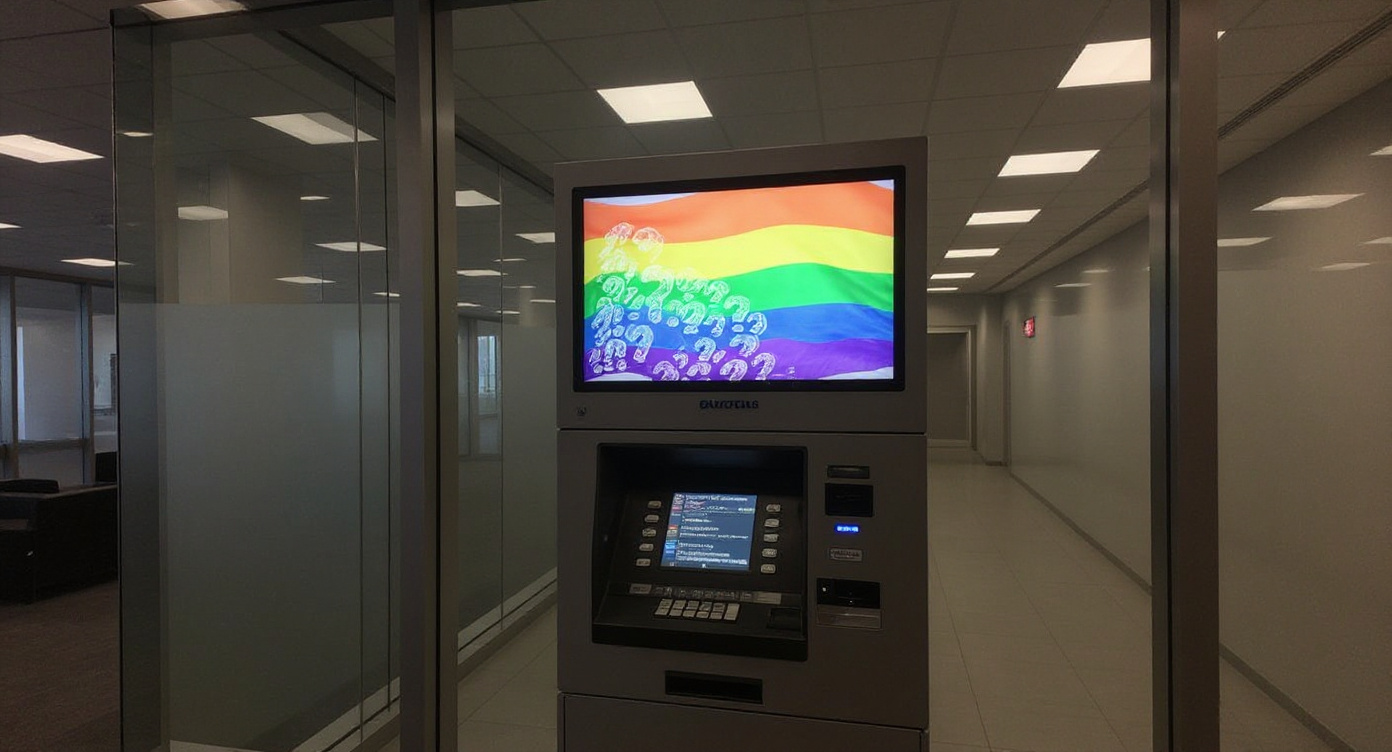
Think about that for a second. The stated goal of Pride Month is acceptance and visibility. The measurable result — by the numbers Dillon himself cited — is the opposite. Eleven points of goodwill, gone. Not because Americans turned against their gay neighbors. Because Chase Bank started putting rainbow flags on ATM screens and Chobani decided yogurt needed a pronoun.
The corporate defense, when anyone bothers to offer one, is that representation matters and these gestures "make people happy," as Rogan paraphrased the standard line. Fine. But Dillon's counter is the kind that doesn't have a rebuttal: "I just want to know when my bank came out as gay." Nobody at JPMorgan Chase held a press conference. No shareholder vote was taken. One June, the logo just changed colors, and everyone was supposed to nod along.
What makes Dillon's bit more than comedy is the structural point underneath it. Corporate Pride isn't a response to consumer demand. It's a compliance exercise. Companies watched what happened to brands that didn't participate — the Twitter mobs, the boycott threats, the internal Slack channel revolts — and decided the path of least resistance was a rainbow logo and a donation to the right nonprofit. The audience for these gestures isn't gay Americans. It's activist employees and social media hall monitors.
Dillon made that distinction effortlessly, probably because he lives on both sides of it. He's gay, so he sees the patronizing absurdity of a baseball team signaling solidarity by changing uniform colors. He's also a comedian, so he recognizes performance when he sees it. The San Diego Padres aren't doing anything for gay rights. They're doing something for their brand consultant's quarterly report.
The 11-point drop in support tells the real story. Americans didn't get less tolerant. They got tired of being managed. There's a difference between accepting people and being forced to applaud a yogurt company's identity journey.
When the marketing department becomes the message, the message stops being about people and starts being about the marketing department.