
Sixty-seven college athletes decommitted from schools in eight Southern states since the NAACP launched its "Out of Bounds" boycott campaign in May 2026. Not one of them cited the boycott as the reason.
Zero.
The campaign's impact just didn't land with athletes — the boycott-industrial complex struck out again. The NAACP targeted Alabama, Florida, Georgia, Louisiana, Mississippi, South Carolina, Tennessee, and Texas, calling on "Black athletes, families, alumni, and fans to withhold athletic and financial support from public universities" in those states. The campaign was a response to a March 2026 Supreme Court ruling on gerrymandering, and it launched with the full Capitol Hill production.
House Minority Leader Hakeem Jeffries stood at the podium and declared the Congressional Black Caucus was "standing in solidarity with the NAACP and its call for athletes to boycott institutions within the SEC that belong to states that have unleashed these Jim Crow-like, racially oppressive tactics, which is unacceptable, unconscionable and un-American."
That was the rally. Here's the scoreboard.
Of the 67 athletes who decommitted from targeted schools across football and basketball recruiting classes, the reasons they gave were NIL deals, new scholarship opportunities, and coaching relationships. The word "gerrymandering" appeared in none of their statements. No measurable decrease in ticket sales at any of the targeted institutions. No measurable increase in enrollment at historically Black colleges and universities. Nothing.
Meanwhile, the University of Texas, Texas A&M, Georgia, and other SEC programs have been flooded with new commitments from highly rated — and expensive — transfers and recruits since the boycott launched. The schools the NAACP told athletes to avoid got more talented, not less.
Curtis Hill, a former Indiana Attorney General and NAACP member who serves as an ambassador with Project 21 at the National Center for Public Policy Research, put it flatly: "I'm not surprised by the findings of your investigation that no athletes have apparently participated in the NAACP's boycott." He called the campaign "an ill conceived attempt to improperly politicize college athletics" and added the line that writes itself: "Boycotts don't work if nobody boycotts!"
The Protect College Sports Act is currently pending in the U.S. House — legislation the NAACP formally opposes. But the organization's political leverage depends on the threat being credible. When you call for a boycott and the stadiums sell out, when you demand athletes sit out and they sign bigger deals instead, the threat stops being a threat. It becomes a press release nobody read.
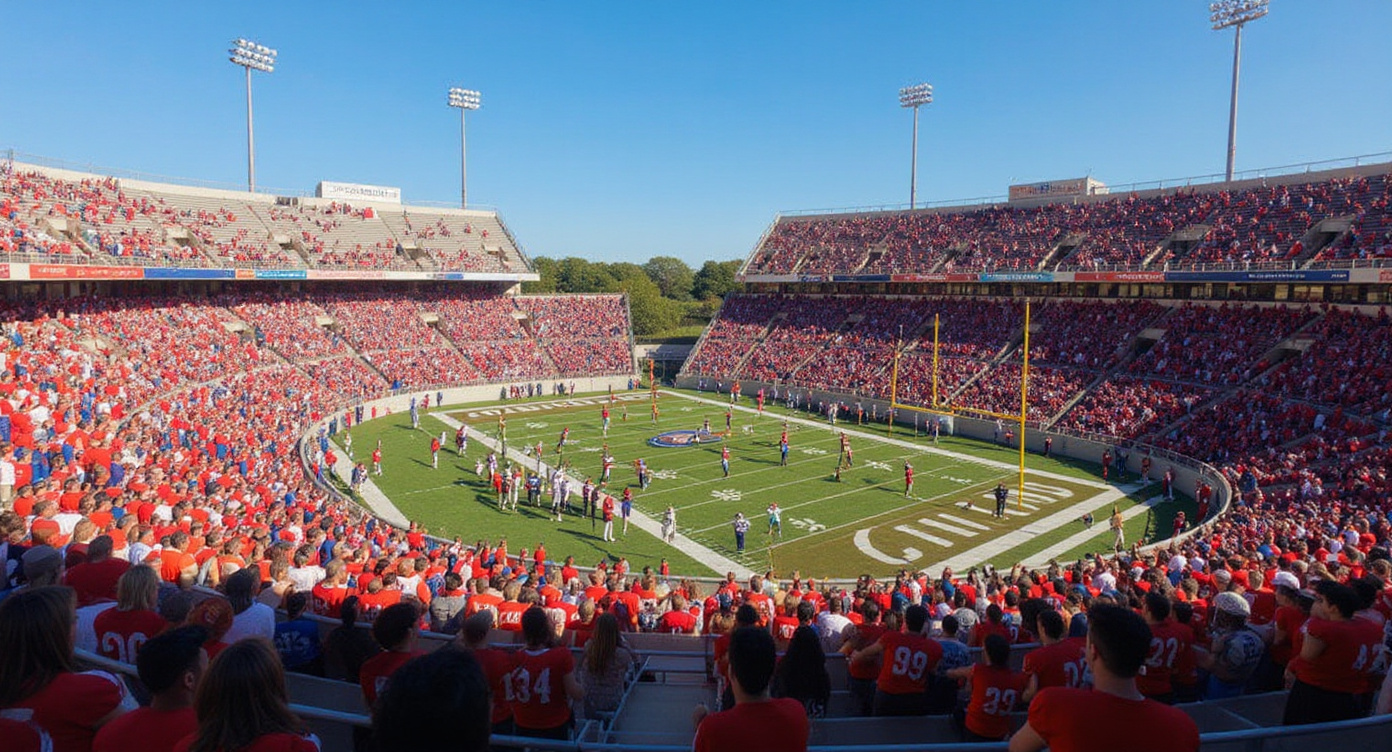
College football kicked off this weekend across all eight targeted states. The stands were full. The athletes played. The NAACP issued a press release in May and a silence in September.