
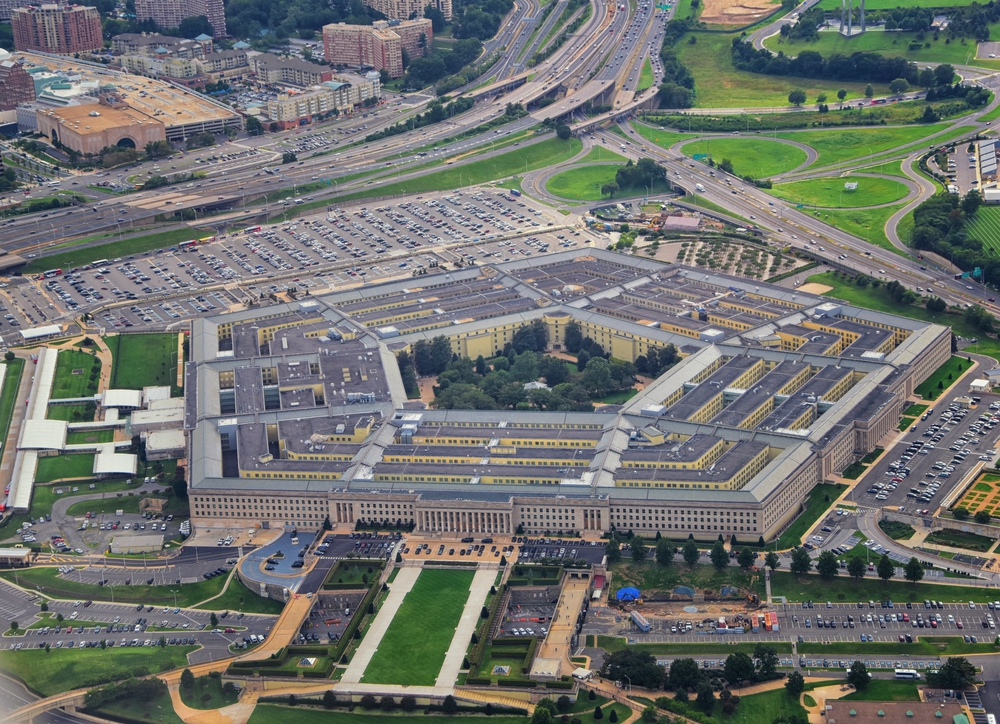
On September 11, 2001, filmmaker Jude Coke and cameraman Billy DeWeese were driving down Interstate 66, about five miles from the Pentagon, when American Airlines Flight 77 slammed into the government building. Coke grabbed his camera. For the next three days, embedded with the Arlington County Fire Department, his crew became the only civilian camera team allowed near the burning wreckage.
That footage sat unseen for a quarter century.
Now, 25 years after the deadliest terrorist attack on American soil, Coke is releasing the material through a six-part documentary series called The Pentagon Response Series, produced in partnership with the 9/11 Legacy Foundation. Each episode runs three to seven minutes. They've been dropping once a month since April, and what they show is raw, unfiltered, and exactly the kind of historical record that matters more with every passing year.
The footage captures what sanitized anniversary specials and cable-news montages never could — the chaos on the ground, the smoke still hanging in the air, the firefighters moving toward the destruction instead of away from it. In one sequence, Coke can be heard inside the vehicle approaching the Pentagon saying simply, "you can smell it." No narration needed. No dramatic soundtrack. Just the thing itself.
Christopher DeWolf, a firefighter with the Baltimore City Fire Department, is among those documented in the footage — one of the responders who showed up and did the work while the rest of the country watched on television. These are the faces and voices that never made it into the official narrative, because the official narrative had other priorities.
Coke explained his decision to release the series now in straightforward terms: "This needs to happen. This needs to be preserved. This needs to be shared with the American people and the world."
He's not wrong. We live in an era where college students can't name the date, where school curricula treat 9/11 as a footnote between chapters on "American imperialism" and "Islamophobia," and where the political class invokes the memory of that day only when it's useful for a vote or a fundraising email. Raw, unedited footage — the kind that doesn't come with a CNN chyron or a government spokesman explaining what you're supposed to feel — is exactly what cuts through that fog.
The fact that an independent filmmaker had to sit on this material for 25 years before finding a way to release it tells you something about how we handle history in this country. The 9/11 Commission published its report. The memorials were built. The ceremonies happen every September. But the actual ground-level record — the footage a civilian crew captured while embedded with the fire department at the burning Pentagon — that just sat in a vault.
There's a generation of Americans now who were born after that morning. They've never seen the towers fall in real time. They've never watched the smoke pour out of the Pentagon on a screen that wasn't already framed by twenty years of political argument. For them, The Pentagon Response Series isn't nostalgia. It's primary-source evidence of a day their textbooks increasingly prefer to skim.
Twenty-five years is a long time to wait for footage the American people should have seen. But the camera doesn't editorialize, and the fire doesn't negotiate. Sometimes the record just needs to exist.
Watch the footage for yourself here: