
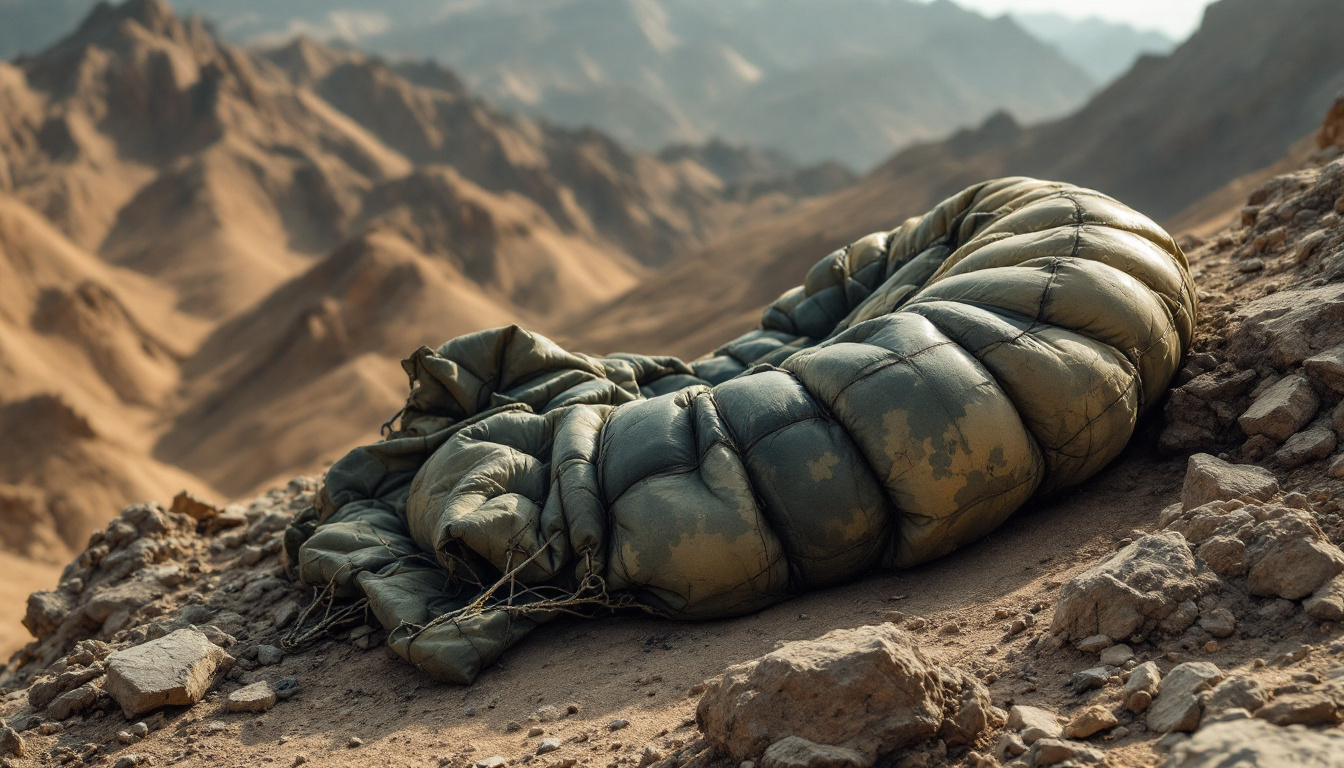
A U.S. Air Force weapons systems officer known by the call sign "Dude 44 Bravo" looked up after being blown out of a $30 million F-15E Strike Eagle over southwestern Iran on April 3 and saw the one thing no falling airman ever wants to see. Nothing. His parachute was shredded.
He was plummeting at 70 to 100 miles per hour toward a 7,000-foot ridge in the Zagros Mountains with a broken back, a broken arm, a broken shoulder, a sprained ankle, and cuts across his head and face. The Iranians had already put a $60,000 bounty on his head.
His summary of the whole ordeal, delivered on the season premiere of 60 Minutes Sunday evening: "God is good."
Norah O'Donnell interviewed both Bravo and his pilot, known by the call sign "Alpha." The two crewmen were separated by approximately five miles after their Strike Eagle went down over Kohgiluyeh and Boyer Ahmad province near the Iraqi border. Alpha was recovered by U.S. Special Operations forces within half a day. Bravo spent nearly two days behind enemy lines in hostile terrain with a body that was, by any medical standard, wrecked.
"My parachute was damaged in the initial attack," Bravo told O'Donnell. "At one point, when I looked up and saw no parachute, that was the most terrifying thing I've ever seen."
Most people would focus on the speed. The ground racing toward them. The math of terminal velocity versus the number of bones already broken. Bravo didn't.
"I wasn't focused on the speed at which I was falling," he said. "I was instead focused on trying to correct the problems that were in front of me."
He managed to deploy enough of the chute to survive the landing. Then he spent the next two days evading Iranian forces hunting him for that $60,000 payday across mountain terrain that would challenge a healthy hiker with two working arms and a spine that wasn't in three pieces.
"I had injuries, but we all train to adapt and overcome the things that we're faced with," Bravo said. The understatement there could power a small city.
Defense Secretary Pete Hegseth made clear what the standing order was the moment the aircraft went down: "Whether they're alive or not, we're going to go get them." No qualifications. No committee meetings. No risk-assessment panels weighing the diplomatic implications of a rescue operation inside Iranian airspace. You go get them.
That's the difference between a military culture that still functions and a bureaucratic culture that writes memos about functioning. Hegseth didn't say "we'll evaluate the situation." He didn't say "we'll explore all available options." He said we're going to go get them. Period.
Bravo had one more line that probably won't make it onto any motivational poster, but should. Asked what kept him moving through two days of broken bones and Iranian search teams, he said: "Never let a lack of motivation put you on Iranian TV."
There's a man falling out of the sky over a country that wants to parade him on state television. His back is broken. His parachute is gone. And his operating framework isn't fear or desperation — it's the very specific, very practical goal of not giving the enemy a propaganda win.
We spend a lot of time in this country arguing about what toughness looks like. Whether it's performative. Whether the concept itself is somehow outdated or toxic. Meanwhile, a weapons systems officer with a broken back is dragging himself across the Zagros Mountains for 48 hours because the alternative is letting Iran score a PR victory.
Three words from the man who lived through all of it.
God is good.
Watch the extended interview here
&t=98s