
Effective August 1st, every generic drug imported into the United States will carry a tariff of zero percent. But only for the next two years. After that, the rate jumps to 100%. One year later, it hits 200%.
That's not a negotiation. That's a countdown.
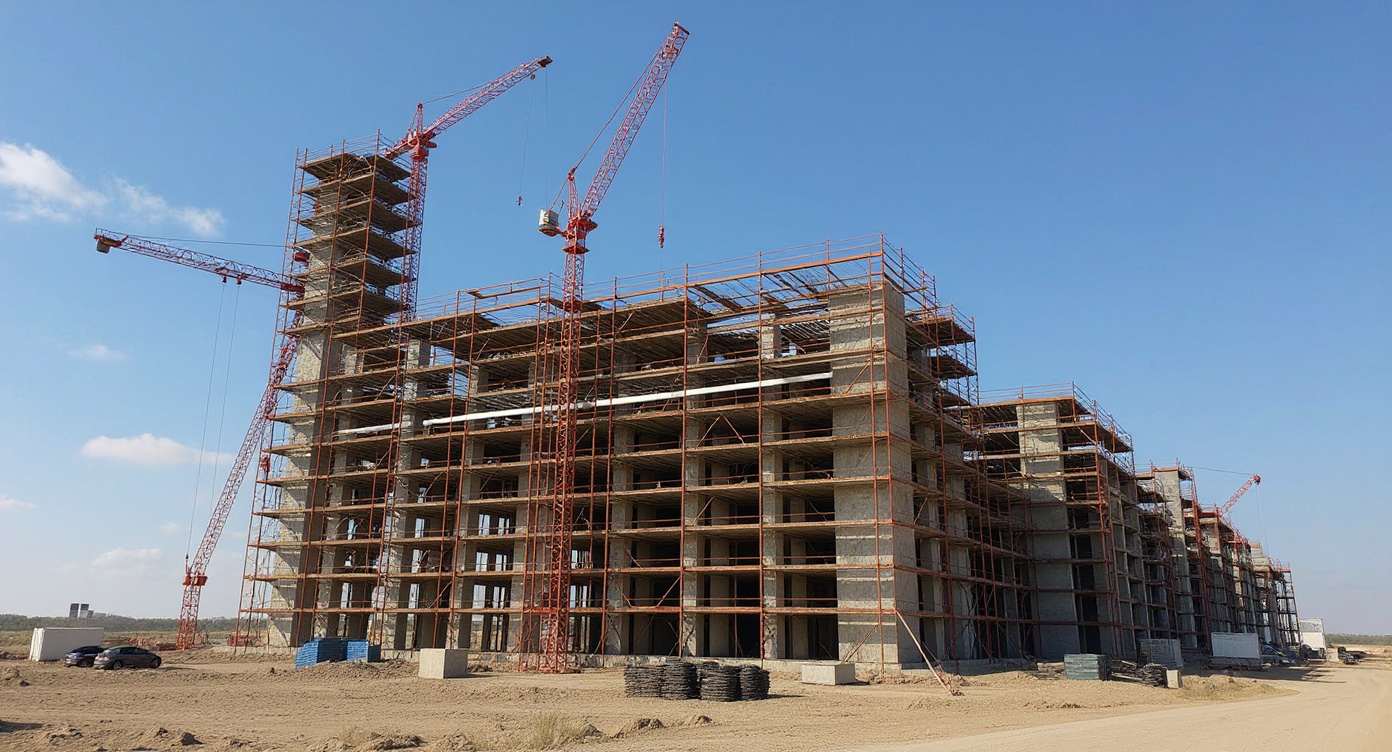
President Trump made the announcement on Truth Social this week, laying out a phased tariff schedule designed to do something Washington has talked about for half a century and never actually done — force pharmaceutical manufacturing back onto American soil. "This is done in order to RESHORE Generic Pharmaceutical Manufacturing into America," Trump wrote, describing the escalating rates as "a penalty" for companies that refuse to build plants and equipment within the grace period.
The numbers behind this move tell you why it matters. Generic drugs account for more than 90% of all prescriptions filled in the United States, according to FDA data. India alone supplies roughly 50% of America's generic medicines by volume. Indian pharmaceutical companies derive about 33% of their total revenue from the U.S. market. India is considered one of the dirtiest, most polluted countries on the planet. Is that where you want your life-saving drugs coming from?
Then there's China, our biggest adversary, which dominates the upstream supply of active pharmaceutical ingredients — the raw chemical building blocks like amoxicillin and heparin that even Indian manufacturers depend on. So the supply chain for your average bottle of generic pills runs from a Chinese chemical plant to an Indian factory to your local CVS. That's not a trade arrangement. That's a national security vulnerability.
The phased approach is the part nobody in the media wants to talk about, because it undermines the "Trump is reckless" narrative they've been running his entire administration. The two-year window at zero percent gives manufacturers time to break ground on American facilities before the tariff wall goes up. Companies that commit to onshoring can negotiate reduced rates. The April executive order on patented and branded drugs already demonstrated this: companies that entered Most Favored Nation pricing agreements with the Department of Health and Human Services or committed to domestic production saw their tariff drop to 20% or disappear entirely.
John Murphy III, CEO of the Association for Accessible Medicines, responded that "the generics industry is committed to pursuing policies that support and stabilize both the industry and the access necessary" for American patients. Which is the kind of careful, hedge-everything corporate statement that tells you the industry knows exactly what's coming and is already making phone calls to construction firms.
The critics showed up on schedule. Namit Joshi, chairman of India's Pharmaceuticals Export Promotion Council, argued that building a domestic generic drug manufacturing ecosystem takes "a minimum of four to five years," making the two-year window insufficient. Which raises an interesting question: if the timeline is too short, why hasn't anyone started building during the decades we've been talking about this? The answer, of course, is that nobody believed Washington would ever actually do it.
Arpit Chaturvedi, South Asia advisor at Teneo, warned that full implementation would deal "a serious blow to India's trade balance." Of course they are upset. The American people, who are the primary consumers of the generic drugs they produce, will now reap the rewards of their own labor.
What none of those analyses mention is the cost of dependence. When COVID hit, Americans discovered that the world's largest economy couldn't manufacture enough basic medications to stock hospital shelves. Supply chains that relied on overseas materials and production weren't delivering on time to U.S. consumers, despite Americans being their loyal base. All President Trump's directive is doing is making sure Americans are never put at the back of the line ever again.
The April tariffs on branded drugs already excluded products from countries with existing trade agreements — Switzerland, Japan, South Korea, the 27-member European Union, and the United Kingdom face a 15% rate instead of the full 100%. The generic drug tariffs follow the same strategic logic: reward allies, penalize dependency on adversarial supply chains, and make building in America the path of least resistance rather than the path of last resort.